
Brian Dightman, CMT
Senior Wealth Manager
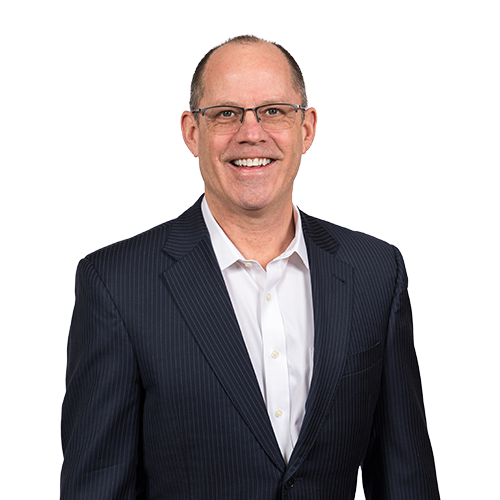
Brian Dightman, CMT
Senior Wealth Manager
Brian Dightman, CMT
Senior Wealth Manager

Years of Industry Experience

Enjoys Learning

B.S. in Business Administration
University of Missouri – Kansas City
Meet Brian Dightman
Brian is passionate about simplifying intricate subjects into easily understandable terms and finds joy in motivating and inspiring others. Commencing his wealth management journey in 2002 at RBC Wealth Management, Brian dedicated six years to gaining comprehensive industry knowledge. During this period, he developed and managed numerous concentrated-stock diversification strategies, managed accredited investments, and developed estate plans tailored for high-net-worth clients.
In 2008, Brian embraced the Fiduciary business model, establishing the registered investment advisory firm, Dightman Capital Group Inc. This venture proved successful and was subsequently acquired by The Retirement Planning Group in 2023. Holding the designation of Chartered Market Technician (CMT), Brian’s expertise in wealth management is evident.
Before transitioning to wealth management, Brian spent twelve years in the technology sector, contributing to various small and large hardware and software companies such as Microtek, MetaCreations, aQuantive, and Microsoft. Embracing innovation and entrepreneurship as integral components of his professional ethos, Brian applies these principles to both running a wealth-management practice and assessing potential investment opportunities. His natural optimism is tempered by real-world experiences in risk management, having been part of management teams overseeing successful IPOs as well as companies that faced closure.
Brian, happily married since 2000, shares his life with his lovely wife and two grown sons, along with their cherished dog. Besides his unwavering commitment to wealth management, Brian indulges in reading, outdoor activities, and volunteering, remaining actively engaged in the community throughout his married life. A proud holder of a business degree from the University of Kansas City, Brian embodies a multifaceted professional with a deep-seated dedication to both his personal and professional pursuits.
SCHEDULE YOUR
10 Minute Guidance Call 🤝
It's simple - you tell us where you are headed. We’ll let you know if we think we can help you get there. And if you don’t know where you are going, that’s okay. We’ll guide you in the right direction! No cost, no commitment - just guidance.
Contact Brian Today
Phone
Office Address
4811 W. 136th Street
Leawood, KS 66224